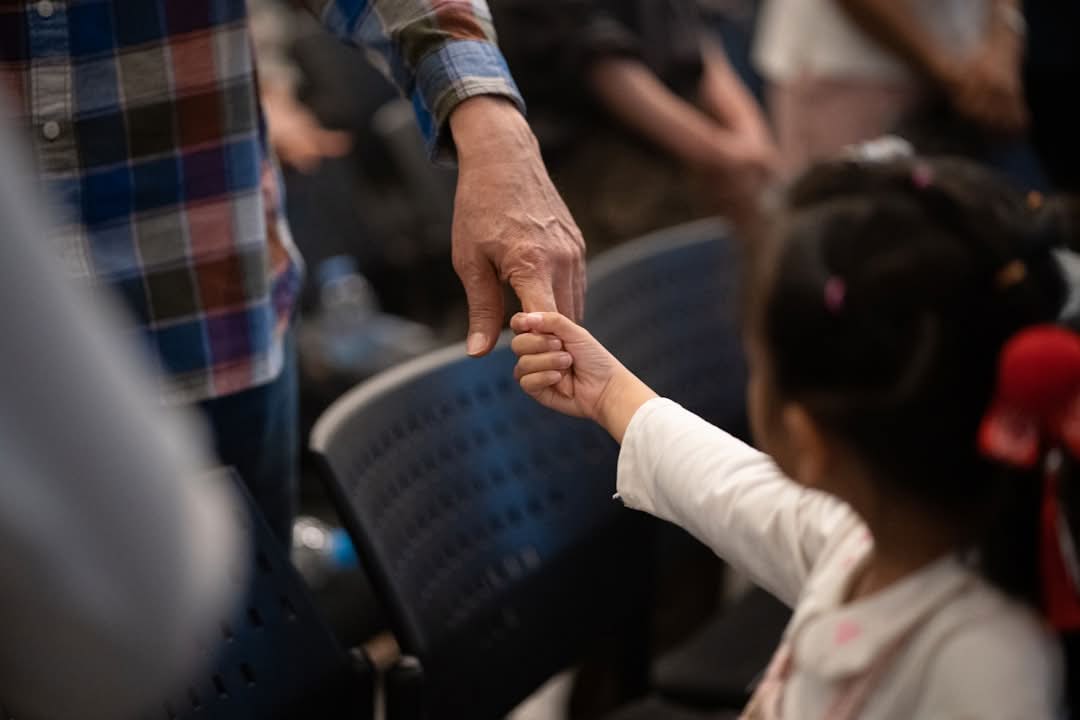

So, you’re wondering what “Community Health and Rehab” is all about? In a nutshell, it’s about getting people the support they need to recover from illness or injury, and stay healthy, right within their local areas. Think of it as a bridge – connecting you from a hospital bed or a difficult patch to getting back to your everyday life, all with local resources and familiar faces. It’s less about big, impersonal institutions and more about accessible, person-centered care that fits into your community.
The “community” in Community Health and Rehab isn’t just a buzzword. It’s the core of what makes this approach effective. It means care that’s geographically close, culturally relevant, and integrated with the local fabric of your life.
Local Access, Less Stress
One of the biggest advantages is simply being able to access services near home. If you’ve had a surgery or are managing a chronic condition, the thought of traveling long distances for appointments or therapy can be exhausting. Community-based rehab means your physical therapy clinic, your occupational therapist’s office, or your support group meetings are likely just a short drive or even a walk away. This reduces the logistical burden on you and your family, freeing up mental and physical energy for the actual recovery process. It also means easier integration with your existing support network – friends, family, and local amenities.
Tailored to Your Environment
Different communities have different needs and resources. A rural community might require mobile health services or partnerships with local GPs, while an urban setting might have more specialized clinics but face challenges with transport. Community Health and Rehab services aim to understand these nuances and tailor their offerings accordingly. This could mean specialized programs for common local health issues, outreach services to underserved populations, or collaborations with local businesses to promote healthy lifestyles. The goal is to make health and rehab support feel relevant and accessible to the specific people living in that area.
Building on Existing Networks
Your community is already filled with people and places that matter to you. Community Health and Rehab services often work to build on these existing networks. This could involve partnering with local charities, community centers, schools, or faith-based organizations. For example, a program might offer falls prevention workshops at the local senior center, or a mental health support group might meet at a community hub. This not only makes services more visible and accessible but also helps to destigmatize seeking help by integrating it into familiar social settings.
What Happens in Community Rehab?
When we talk about “rehab,” it can bring to mind images of intense physical therapy in a hospital. But community rehab is broader and can involve a variety of professionals and services designed to help you regain function, manage pain, and improve your quality of life.
Beyond Physical Therapy
While physical therapy is a cornerstone for many, community rehab encompasses much more. Occupational therapy is crucial for helping you relearn everyday tasks, whether it’s dressing yourself, cooking a meal, or returning to work. Speech and language therapy can assist with communication and swallowing difficulties after a stroke or other neurological event. Mental health support is also a vital component, addressing the emotional toll that illness or injury can take. This might involve counseling, support groups, or strategies for managing stress and anxiety.
Tailored Treatment Plans
You’re not just a number in community rehab. The plans are highly individualized. After an initial assessment, a team of professionals will work with you to understand your specific goals and challenges. This might involve setting goals like being able to walk to the shops, manage your own medication, or return to a hobby you love. Your treatment plan will be designed to help you achieve these specific outcomes, and it will be reviewed and adjusted as you progress.
A Phased Approach
Community rehab often operates in phases. You might start with more intensive support immediately after hospital discharge, with the intensity gradually decreasing as you become more independent. This could involve home visits from a therapist, followed by outpatient appointments at a local clinic, and then perhaps transitioning to a community-based exercise group. The aim is to provide the right level of support at each stage of your recovery journey.
Home-Based Interventions
For many, recovering at home is the preferred and most effective option. Community rehab services frequently include home-based interventions. This means a therapist or nurse will come to your house to provide support, assess your home environment for safety, and teach you exercises or strategies you can use independently. This approach is particularly beneficial for individuals with mobility issues or those who find it difficult to leave their homes. It also allows therapists to see firsthand how you are managing in your usual surroundings, leading to more practical advice.
The Multidisciplinary Team in Action
Community health and rehab isn’t usually a one-person show. It’s often a team effort, with different professionals bringing their unique skills to the table to provide comprehensive care.
The Core Team
At the heart of community rehab, you’ll often find:
- Physical Therapists: Helping you regain strength, mobility, and manage pain through exercise and movement.
- Occupational Therapists: Focusing on helping you perform daily activities, adapt your environment, and return to meaningful roles.
- Nurses: Providing wound care, medication management, health monitoring, and education.
- Social Workers: Offering emotional support, connecting you with community resources, and helping with practical challenges like housing or finances.
Specialized Support
Depending on your needs, you might also work with:
- Speech and Language Therapists: For communication and swallowing difficulties.
- Dietitians: To address nutritional needs related to your condition.
- Psychologists or Counsellors: To help you cope with the emotional impact of illness or injury.
- Community Support Workers: Providing practical assistance, companionship, and encouragement.
Collaboration is Key
The effectiveness of community rehab hinges on good communication and collaboration between team members. They’ll share information about your progress, discuss challenges, and ensure your care plan is cohesive. This integrated approach means you receive consistent support and avoid the frustration of having different professionals working in isolation. They’ll often liaise with your GP and any hospital teams involved in your care, ensuring a smooth transition and ongoing management.
How Community Rehab Helps Different Conditions
Community Health and Rehab isn’t a one-size-fits-all service. It’s adaptable and can be tailored to support recovery from a wide range of conditions.
Post-Surgical Recovery
After surgery, many people need help regaining their strength, mobility, and independence before they’re ready to go back to their normal routines. Community rehab can provide in-home physiotherapy to help you with exercises, occupational therapy to adapt your home for easier movement, and nursing support for wound care or pain management. The goal is to reduce your risk of complications and ensure a smoother transition back home, preventing unnecessary hospital readmissions. This can include learning how to manage your new needs, whether it’s navigating stairs with crutches or adapting your kitchen to prepare meals safely.
Chronic Disease Management
Living with a chronic condition like diabetes, heart disease, or COPD can be challenging. Community rehab services can help you learn to manage your condition more effectively. This might involve education on diet and exercise, support with medication adherence, or programs designed to improve your breathing or cardiovascular health. The focus is on empowering you to live well with your condition, reducing the frequency of hospital visits and improving your overall quality of life. They can also help you identify and access local support groups and resources that can offer ongoing encouragement.
Neurological Conditions
For individuals recovering from a stroke, traumatic brain injury, or conditions like Parkinson’s disease or Multiple Sclerosis, community rehab is essential. Therapists can help you regain lost motor skills, improve speech and swallowing, and adapt to any cognitive changes. They can also work with you and your family to make your home safer and more manageable, and connect you with relevant support networks. This might involve learning new ways to communicate, practicing fine motor skills for daily tasks, or developing strategies to manage fatigue.
Older Adults’ Health and Wellbeing
As people age, they may face a variety of health challenges that can impact their independence. Community rehab offers services like falls prevention programs, strength and balance training, and support for managing age-related conditions. The aim is to help older adults maintain their mobility, independence, and quality of life, allowing them to continue living in their own homes for as long as possible. This could include home safety assessments, advice on assistive devices, or social engagement activities to combat isolation.
Mental Health and Wellbeing Support
The link between physical and mental health is undeniable. Community rehab services can also incorporate mental health support, recognizing that recovering from illness or injury can be emotionally taxing. This might include access to counselling, support groups for specific conditions, or programs that promote stress management and resilience. Having this support readily available within the community can make a significant difference in a person’s overall recovery journey. It can help individuals process their experiences, build coping mechanisms, and foster a sense of hope and empowerment.
Navigating the System and Accessing Services
Understanding how to access these vital services is key. While it might seem complicated, there are usually clear pathways.
Referrals
The most common way to access community health and rehab services is through a referral. This can come from:
- Your Doctor (GP): Your GP is often the first point of contact and can assess your needs and refer you to the appropriate services.
- Hospital Staff: If you’re in hospital, the discharge team or your treating physician can arrange for community-based follow-up care.
- Other Health Professionals: Allied health professionals like physiotherapists or nurses can also make referrals.
Self-Referral and Direct Access
In some cases, you might be able to self-refer or access services directly. This is becoming more common for certain programs, particularly for things like physiotherapy or mental health support. Check with your local health authority or community service providers to see if direct access is an option for your needs. This can be a quicker route to getting the support you require without needing a formal doctor’s referral.
Local Authority and Health Boards
Your local authority or health board plays a crucial role in commissioning and overseeing community health and rehab services. Their websites are often a good source of information about what services are available in your area and how to access them. They can also provide details on eligibility criteria and waiting lists. Don’t hesitate to contact them directly if you’re unsure where to begin.
Understanding Eligibility and Costs
Eligibility criteria can vary depending on the service and your individual circumstances. Some services may be free at the point of use, especially those provided by the public health system. Others might involve a small fee or require you to have private health insurance. It’s important to clarify any costs and eligibility requirements upfront with the service provider to avoid any surprises. They can usually explain the funding models and what you might be expected to contribute.
What to Expect During an Assessment
When you first connect with a community health and rehab service, you’ll likely undergo an assessment. This is a crucial step where a professional will talk to you about your health history, current condition, and what you hope to achieve. They’ll assess your physical function, mobility, daily living activities, and any emotional or social factors that might affect your recovery. Be prepared to answer questions honestly and openly – the more information they have, the better they can tailor a plan for you. This is also your opportunity to ask questions and express your concerns.
The Long-Term Benefits of Community Focus
The impact of community-based health and rehab extends far beyond individual recovery. It fosters stronger, healthier communities overall.
Preventing Hospital Readmissions
By providing effective support and rehabilitation in the community, these services play a vital role in reducing the need for hospital readmissions. When people have the right resources and guidance to manage their health at home, they are less likely to experience a relapse or develop complications that would require another hospital stay. This not only benefits the individual by allowing them to live more independently but also reduces the strain on hospital resources.
Promoting Independence and Social Inclusion
Community rehab is all about empowering individuals to regain their independence and participate fully in life. When people can manage their health, return to work or hobbies, and stay connected with their social networks, their overall wellbeing and sense of belonging improve significantly. This proactive approach combats isolation and promotes a more inclusive society where everyone has the opportunity to thrive. It’s about more than just physical recovery; it’s about rebuilding lives and fostering a sense of purpose.
Building Resilient Communities
When health and rehab services are embedded within communities, they become a valuable part of the local infrastructure. This strengthens the community’s ability to support its residents through challenging times. It fosters a sense of collective responsibility for health and wellbeing and encourages proactive health behaviors. A community that prioritizes accessible health support is a more resilient community, better equipped to face health challenges collectively.
Cost-Effectiveness
While it might seem like a lot of services, community-based rehab is often more cost-effective in the long run than relying solely on hospital-based care. Preventing hospital admissions, reducing the need for long-term institutional care, and enabling people to return to work all contribute to economic benefits. Moreover, empowering individuals to manage their own health can lead to healthier lifestyles and reduced healthcare utilization over time. It’s an investment in people and their long-term wellbeing, which ultimately benefits society as a whole.
In essence, Community Health and Rehab is about bringing care closer to home, making recovery and ongoing health management more accessible, personalized, and sustainable. It’s a practical and compassionate approach that recognizes the importance of community in the journey to better health.